

The Team Behind the Team: The Veterinary Care Keeping Nations Cup Horses at the Top
21. Aug 2026 / Category: Press Release
Report: Eleanore Kelly
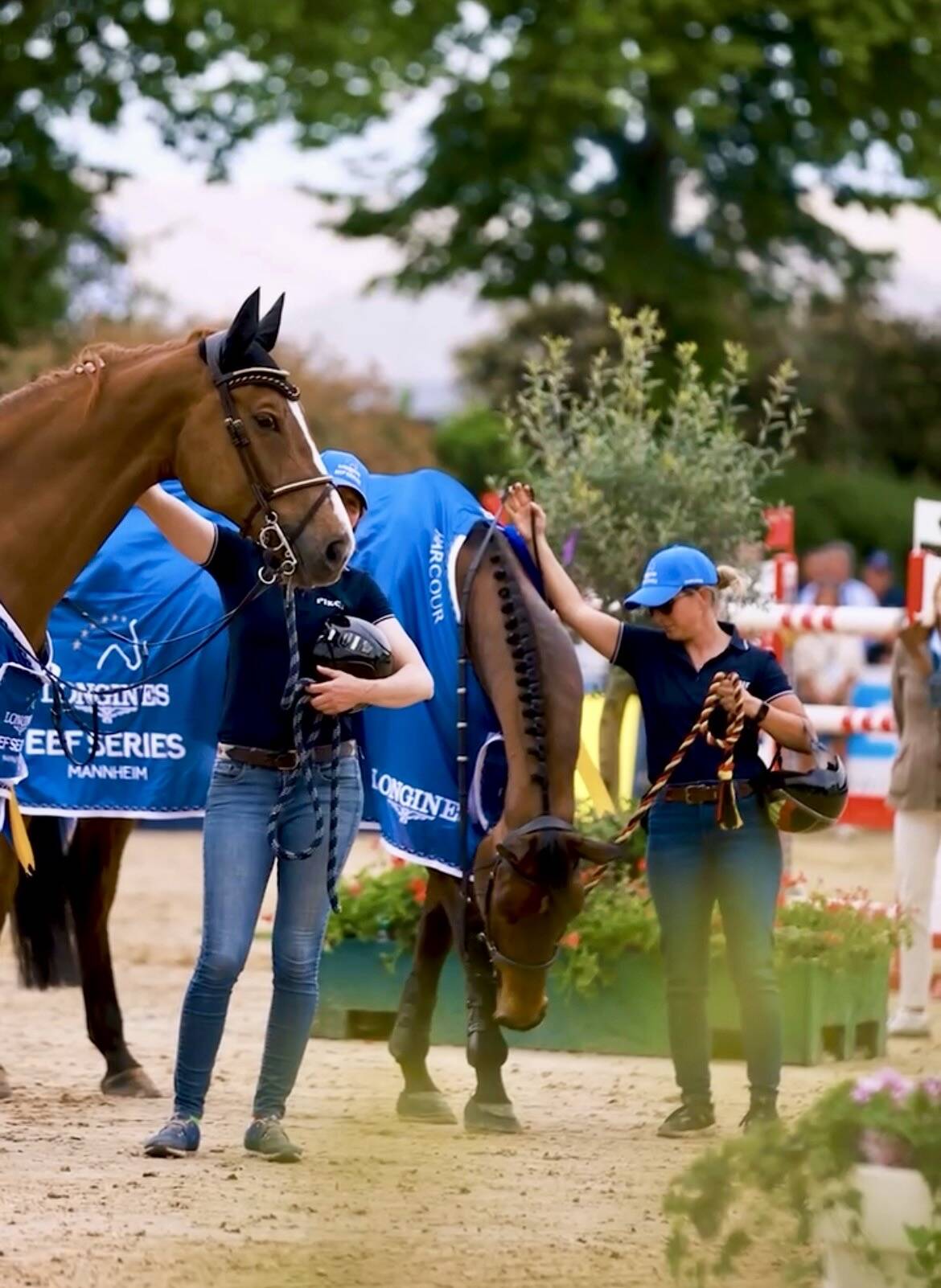
When a Longines EEF Nations Cup team enters the arena, the focus is naturally on the four athletes, their horses and the national colours they carry. But behind every combination is a much larger team working to ensure that the equine athletes arrive fit, compete safely and return home in the best possible condition.
From biosecurity and veterinary inspections to carefully managed footing, weather contingency plans, cooling facilities and constant communication between organisers, team vets, grooms and chefs d'équipe, horse welfare is woven into every stage of a Longines EEF Series Nations Cup.
At Lier in Belgium, one of the Series' Regional Qualifiers, Senior Events Manager Lotte Schaerlaeken is unequivocal about where the priorities lie. “The welfare of the horses is always our top priority. Without horses, our sport wouldn’t exist.”
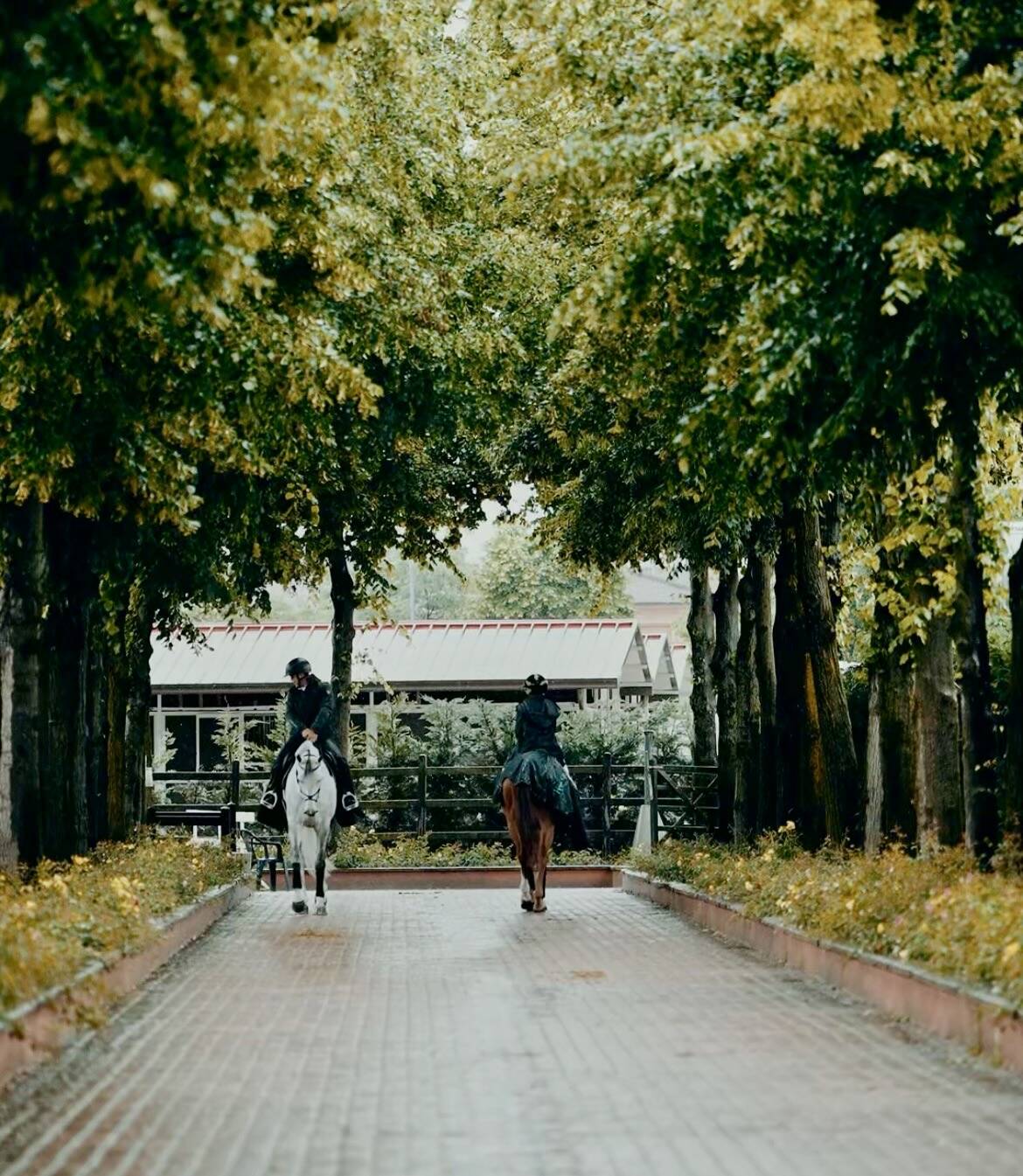
That philosophy begins long before the first horse arrives. Lier has permanent, insulated stables with automatic waterers, while its arenas are maintained and inspected throughout the year. On arrival, every horse passes through a specially designated area where vaccinations, general health and body temperature are checked. If there is any concern, the horse — or, where necessary, the entire transport — can be placed into quarantine in a separate, fully equipped stable building.
For Schaerlaeken, this is not something that happens only when a major international show comes to town. “We focus on the animals’ well-being every day,” she explains. “We host weekly events where all these factors are crucial, so it’s simply part of our routine, and we strive to continuously improve our facilities.”
That distinction between permanent venues and temporary shows is important. A venue such as Lier can build welfare into its infrastructure over many years, from insulated stables and ventilation to permanent water supplies, lighting for night checks and dedicated treatment facilities. At the same time, Schaerlaeken stresses that every event has a responsibility to meet appropriate safety and quality standards, regardless of whether its facilities are permanent or created for a single week.
Ground beneath their feet
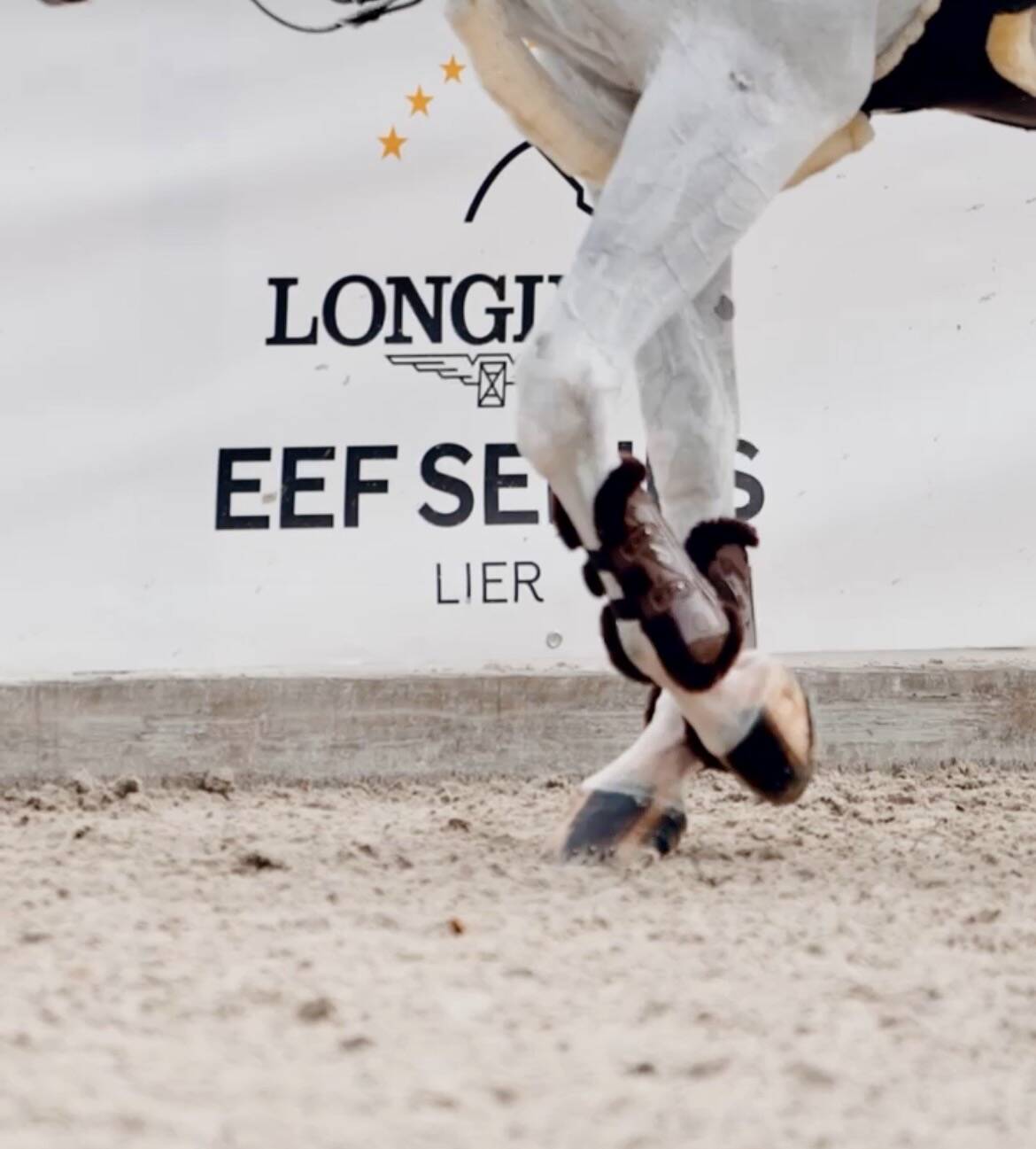
Perhaps one of the least visible but most important elements of horse welfare is the surface beneath the horse's feet.
At Lier, ground preparation is a year-round process. Before the season begins, the slopes are tilled to aerate and loosen the soil, allowed to breathe, then levelled and adjusted where necessary. During the season the ground is reassessed weekly and can be loosened, compacted or levelled according to its condition.
Weather is inevitably a major variable. In hot, dry or windy conditions the surface can be watered, while heavy rain may require drainage to be opened to encourage run-off. During competitions, the ground is continually analysed and maintained.
“In short,” says Schaerlaeken, “at least two of us spend nearly an entire day analysing the condition of the track and discussing with our team how we can keep the track as stable and resilient as possible under all conditions.”
The same philosophy applies at Avenches, which will host the Longines EEF Series Final. Organiser Edwin Smits is adamant that the standard of footing should not depend on whether the horse competing is an established championship performer or a young prospect.
“The ground needs to be perfect,” he says. “You have to give them the best, most comfortable ground where it is not slippery or not too deep. For sure the young horses you don’t want to give them bad experiences and knock confidence. It doesn’t matter what type of horses we have at the show, we want to make it as good as possible.”
At Avenches, welfare begins with what Smits describes as “the whole package”: well-ventilated boxes, wide walkways with non-slip surfaces, opportunities for horses to graze between work and competition, and good surfaces in both the warm-up and main arenas.
And when conditions change, the work continues. “As an Organiser you have to always be on the ball and always be looking at the weather forecast,” says Smits. At Avenches, drainage and an ebb-and-flow system allow the venue to adjust water levels in the ground according to the weather.
Preparing for the unpredictable
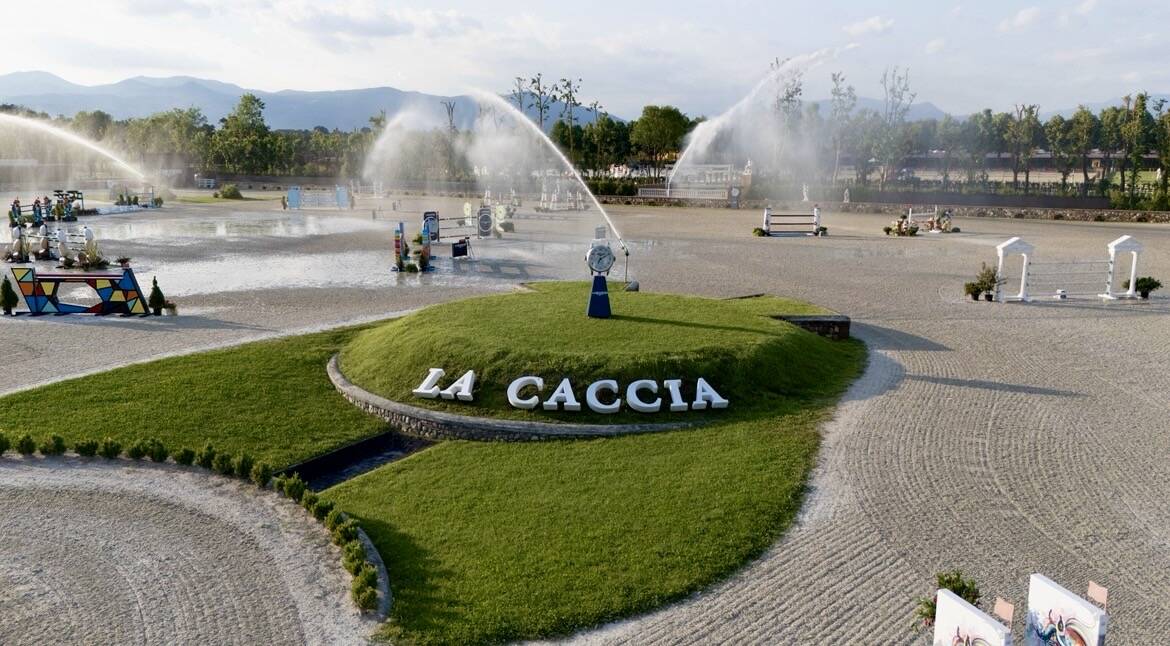
The organisers at Scuderia La Caccia, one of the Series' Regional Qualifiers in Italy, face an especially broad range of weather conditions. The venue's season runs from February to November, meaning its team must be prepared for everything from cold weather to extreme heat and heavy rain.
Event Director Beatrice Guidi says weather planning begins before the horses arrive. Official forecasts and Civil Protection alerts are monitored, while equipment, personnel and procedures are prepared in advance. If temperatures rise or heavy rain is expected, the timetable can be altered, classes brought forward or competition postponed.
“Our priority is always the horses and grooms, along with everyone involved in the event- our staff, teams, officials and guests,” she says.
Lier takes a similarly proactive approach. During a recent heatwave, the venue installed additional air conditioning in its indoor arenas, deployed water cannons in warm-up areas and adjusted the schedule so that the most intense competitions took place during the coolest parts of the day. In extreme rain, competition can be suspended for several hours until the ground has recovered.
It is a reminder that some of the most important welfare decisions at a Nations Cup may be made without the spectators ever knowing they happened.
The veterinary team: prevention, not just intervention
At Scuderia La Caccia, Dr Marco Eleuteri, FEI Level 3 Official Veterinarian, team veterinarian and Veterinary Delegate and President of the Veterinary Commission, believes one of the biggest misconceptions is that official vets are there simply to deal with problems.
“The biggest misconception is that official veterinarians are present only to intervene when something goes wrong, from a minor issue to a more serious problem,” he says. “In reality, the veterinary team is part of a wider coordination system throughout the event, working not only to respond when necessary but also to prevent problems and ensure the welfare of the horses at every stage of the competition.”
That preventative approach is reflected in the close relationship between veterinary teams, organisers, grooms and chefs d'équipe.
At Lier, team veterinarians facilitate communication between the individual national team vets and the FEI delegates. Treatment areas are specifically equipped with washing stations, stalls and additional lighting, with access restricted to veterinarians.
At Scuderia La Caccia, the communication begins before competition and continues throughout the weekend, with scheduled meetings complemented by constant contact between the organisers, team vets, chefs d'équipe, grooms and officials.
For the national teams themselves, however, much of the most important veterinary work has already taken place before they arrive at the show.
Jan-Hein Swagemakers has been the German team veterinarian since 2009, and describes his ideal Nations Cup as one in which he barely has to intervene at all.
“Well, hopefully, I do nothing at all,” he says. “The work is normally done back home. The goal is to get healthy horses fit to compete and fit to compete at the show.”
For Swagemakers, selecting which horses are sufficiently fit and prepared to compete is one of the most important decisions of the entire process. Once they arrive, monitoring is continuous.
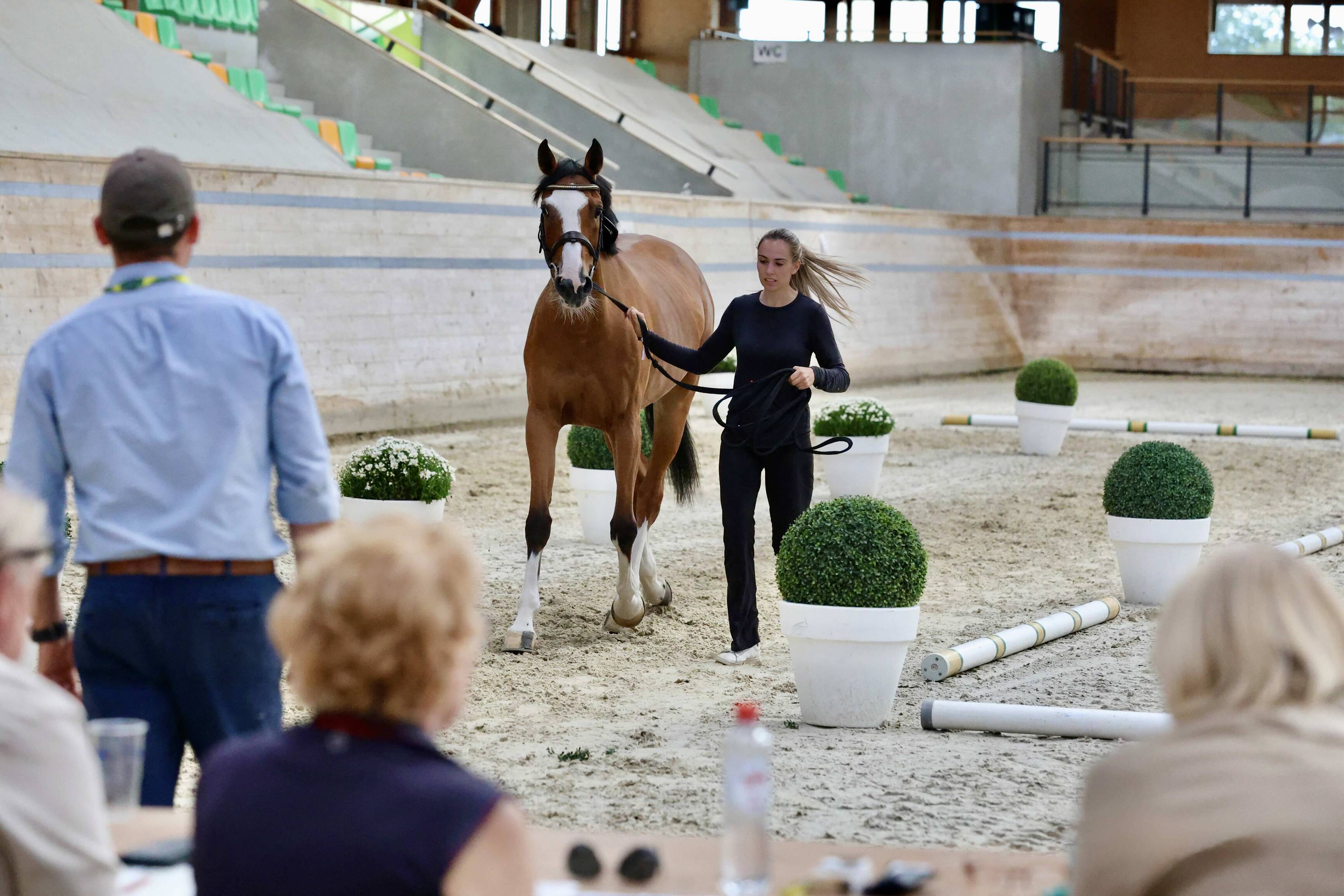
“When they are there, they are monitored both by me, of course, continuously, as well as the official veterinarians,” he explains. “When they arrive, they get a complete examination if they can before they go into the stables. Before the competition, there's a horse inspection with the veterinary delegates from the FEI.”
But perhaps most important of all is the network of people who know the horses best. “I see them every day, both in the early morning, plus when they ride and when they compete, and after they have competed,” he says. “And very important for me is the grooms who know these horses really well, who live with them, and who will report to me any change, any slightest changes they see.”
The result, he believes, is an extraordinary level of care. “I think the care of these horses is almost beyond description. It is so intense. I think they are cared for better than human athletes going to the health monitoring, and the medical monitoring from medical doctors or here veterinarians is much more intense than for human athletes.”
Prevention is the priority
That intensity of monitoring is not primarily about dealing with injuries when they occur. According to Swagemakers, prevention is now overwhelmingly the focus of the team veterinarian.
“My work is now at least with these horses almost all prevention,” he says. “We talk about fitness, we talk about nutrition. We talk about the smallest changes that we may see that we prevent injuries to come as soon as we see changes somewhere.”
Asked to put a figure on it, he estimates that “90% is prevention, and maybe even more. It's mainly prevention. And if then an injury occurs, then of course there's immediate care.”
It is a philosophy that has increasingly shaped elite equestrian sport over the past two decades.
A changing sport
The veterinary role has also evolved alongside the sport itself.
Eleuteri believes the biggest change over the past six or seven years has been the increasing emphasis on welfare and the introduction of more detailed FEI protocols and requirements.
At Lier, Schaerlaeken identifies biosecurity as one of the areas where the transformation has been particularly significant. With horses travelling more easily and internationally than ever before, disease prevention has become increasingly important. “The equestrian world is also evolving into a ‘global village,’ so communicable diseases are receiving more attention,” she says. “They’ll always be a part of the sport, but the importance of prevention is growing.”
She also points to the evolution of the modern sport horse itself. Horses are becoming increasingly refined, athletic and sensitive, meaning that surfaces, obstacles and equipment have had to evolve alongside them. “Our sport is becoming faster, higher, and more delicate by the day,” she says. “This is in part due to the attention we pay to horse welfare.” That evolution can be seen in everything from safety systems on fences to the increased attention paid to footing, physical therapy and veterinary monitoring.
For Swagemakers, the changes have been equally profound. “Enormously, I think prevention has become much bigger,” he says. “Optimal training, I think both diagnostics and, when necessary, treatments have been raised to a complete new level.”
Perhaps the most telling evidence is longevity. “You can also tell that these horses become well. They go on longer in the sport. A lot of them become 16, 17, even 18-year-olds sometimes.”
He believes the emphasis has shifted towards caring for the horse as a complete athlete.
“More emphasis is done towards the complete care of the horse, similar to the human athletes. More prevention, more nutrition, more training, more total training of the horse, proprioceptive training, body fitness. Riders are more aware and teams of monitoring, of keeping scores of things. And I think that has improved enormously over the last 20 years.”
The horse as an athlete- and a partner
For Smits, the changes go beyond regulations and infrastructure. They reflect a fundamental shift in the relationship between riders and horses.
“Nowadays the horses are as important in the sport as they have ever been,” he says. “Everyone sees their horse as a partner, a friend and much more than an animal. They are our sport companion- you work together, fight together, they need to trust you.”
He believes that at the highest level, horses now benefit from a level of individual care that would have been difficult to imagine in previous generations, with dedicated grooms, turnout, careful nutrition and extensive physical care.
Schaerlaeken agrees that the sport is increasingly focused on prevention, with young horses screened for sensitivities and abnormalities and professional yards using vets, osteopaths, physiotherapists and other specialists to maintain horses in optimal condition.
Yet none of the organisers interviewed believes welfare is a box that can ever be ticked and forgotten.
“There is always room for improvement,” says Eleuteri. “We should never take horse welfare for granted- there is always an opportunity to learn, refine our procedures and do our very best to ensure the highest possible standards of care for the horse.”
At Avenches, Smits makes the responsibility equally clear. “There will always be people reaching for higher goals and try to reach in ways that are unethical,” he says. “We as a sport have to really keep going against that.”
Ultimately, that may be the most important message behind the scenes at every Longines EEF Nations Cup. The horses may enter the arena accompanied by just one rider, but they do so surrounded by an extensive network of people, systems and expertise dedicated to their welfare.
As Schaerlaeken puts it simply: “The top priority in the sport remains the horses, because no matter how you look at it, the horses are the athletes.”
Where to Watch and Follow
For the latest updates, team announcements, and behind-the-scenes content throughout the 2026 Longines EEF Series, follow the Longines EEF Series website and the European Equestrian Federation. Join the conversation on the Longines EEF Series social media on Instagram and Facebook.
Download the Longines EEF Series press kit here.
Watch the all the live action and replays on ClipMyHorse.TV, the official livestream partner of the Longines EEF Series.
Full results from the regional qualifiers and semi-finals of the Longines EEF Series 2026 season can be viewed here.