

The Horses Behind the Success: Developing Future Championship Partners
07. Aug 2026 / Category: Press Release
Report: Emily Bevan
The Longines EEF Series has long been recognised for developing the next generation of riders but its role in producing future championship horses is just as significant.
By giving young horses experience in team competition and exposing them to technical tracks, atmospheric venues and the pressure of representing their country, the Series provides a springboard to the higher levels.
But how does the Series benefit younger, less experienced horses? How does it help to shape their future and how do you know when the horse is ready to compete at that level?
“The horse tells you when it's ready. We can't decide that for the horse,” said Longines EEF Series Final event director Edwin Smits who is also the chef d’equipe of the Turkish team.
“Generally, I think nine years old is the perfect age to start in the EEF Series. Some horses are ready at eight because they have the right mentality, enough scope and are straightforward to ride, but every horse is different.”
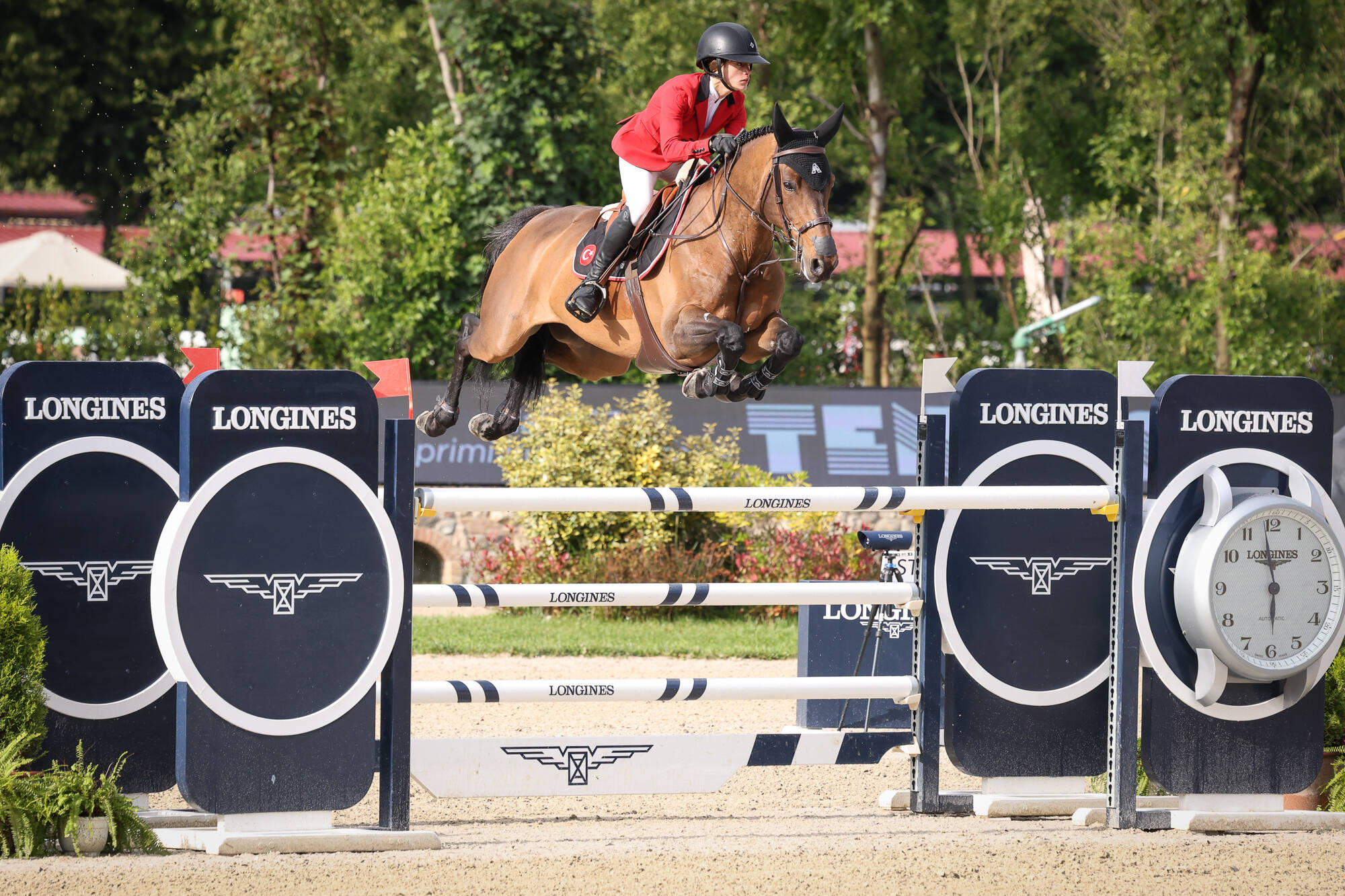
Ensuring a horse is ready to compete in the Longines EEF Series is crucial.
“They have to be strong enough. If you ask too much too early, there's a much bigger chance you'll ruin the horse instead of building it up,” said Bo K Moller, chef d’equipe for Denmark.
“Normally our horses make their first Nations Cup appearances at nine years old, and then we gradually develop them so they're ready for bigger things when they're 10 or 11.”
When deciding whether a horse is ready for a Longines EEF Series competition, Edwin needs to see evidence that the horse can consistently jump clear rounds at that height.
“You can't think, "I'll use this class to teach my horse how to jump 1.50m." That wouldn't be fair. If a horse has only jumped a few 1.45m classes and you decide to teach it to jump a 1.50m Nations Cup, I don't think that's the right approach,” said Edwin.
As well as being able to jump the height of the fences, the horse needs to be able to cope with the atmosphere and environment that comes with the Longines EEF Series competitions.
“The EEF shows are held at very good venues now, with impressive fences and surroundings. They're much bigger environments than many smaller two-star shows, so the atmosphere has more impact on the horses,” said Edwin.
“As a rider, you can feel whether the horse is comfortable. If it's still too spooky, too strong, or simply not physically strong enough yet, then you need to wait a little longer.”
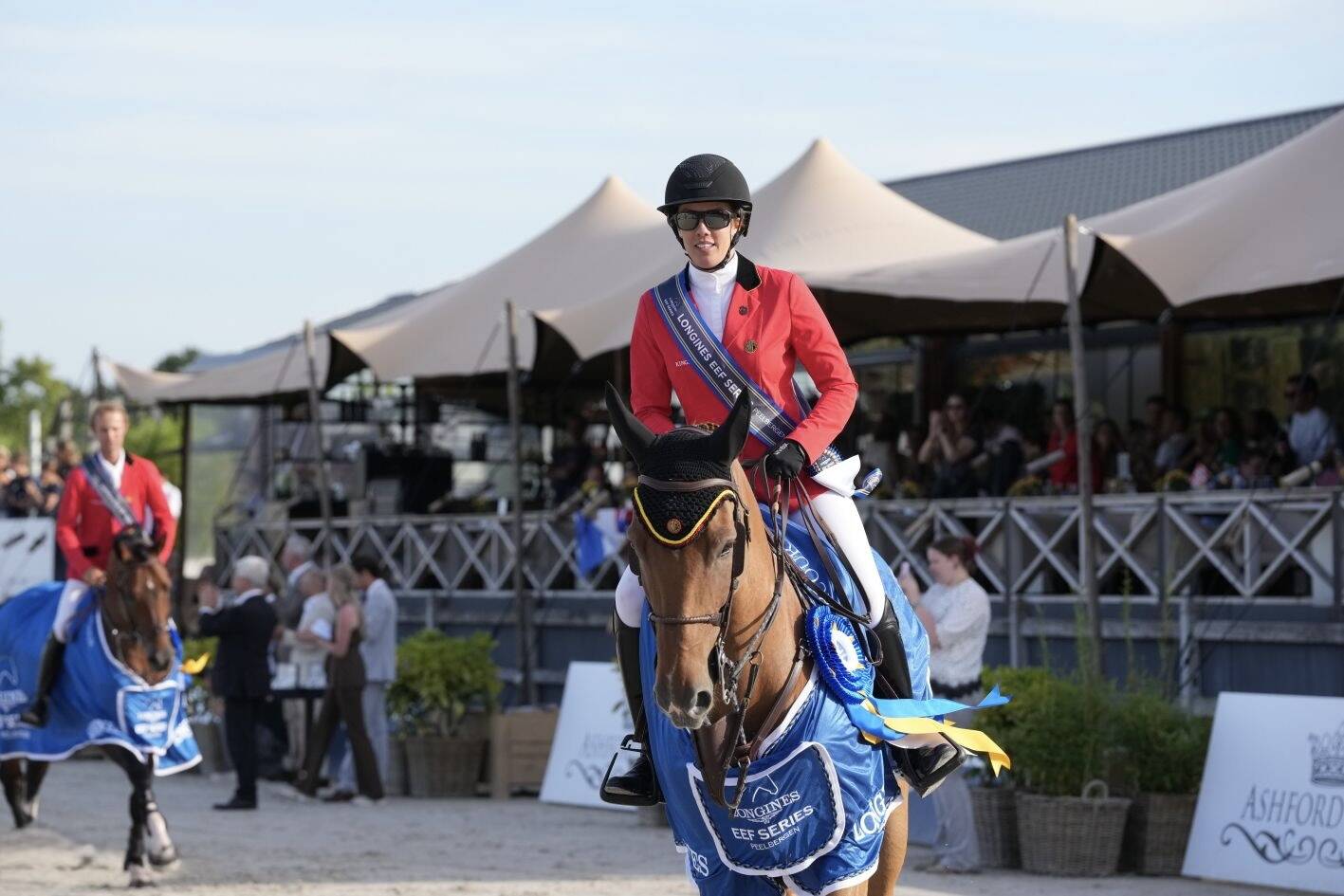
The pressure that comes with representing your country in a team competition at any level is difficult to replicate and the Series is a useful indicator of whether a horse can cope in that situation.
“The Longines EEF Series is not quite as demanding as the five-star Nations Cups yet, so horses can get used to that kind of pressure at a slightly lower level. I think that's great for younger or less experienced horses, and also for riders who don't yet have that experience,” said Belgium’s Gudrun Patteet.
Gudrun believes the pressure doesn’t only come from the competition but from the event as a whole.
“Even in the warm-up arena you can feel that everybody is more tense because your whole team is watching and wants you to do well. It's all part of that different kind of pressure. Everyone is a little more nervous, there's a lot more tension and a lot more going on,” continued Gudrun.
“If the horse performs well under this kind of pressure, it gives everyone confidence to take that combination to the bigger five-star Nations Cups so it's valuable information both for the rider and for the chef d'équipe when a combination performs well at this level.”
Performing well doesn’t just mean jumping clear rounds.
“A horse can have one fence down or even a time fault and still come away having learned a lot. Just because you're not clear doesn't mean it hasn't been a positive experience,” said Gudrun.
“Sometimes a horse just needs more time. If it's not ready today, that doesn't mean it won't be ready in a few months or next year. The Longines EEF Series is a perfect test to see whether a horse has the potential and whether it's ready at that moment. It gives you all the information you need to decide the next step.”
Exposure to different venues, atmospheres and course designs is instrumental in developing horses.
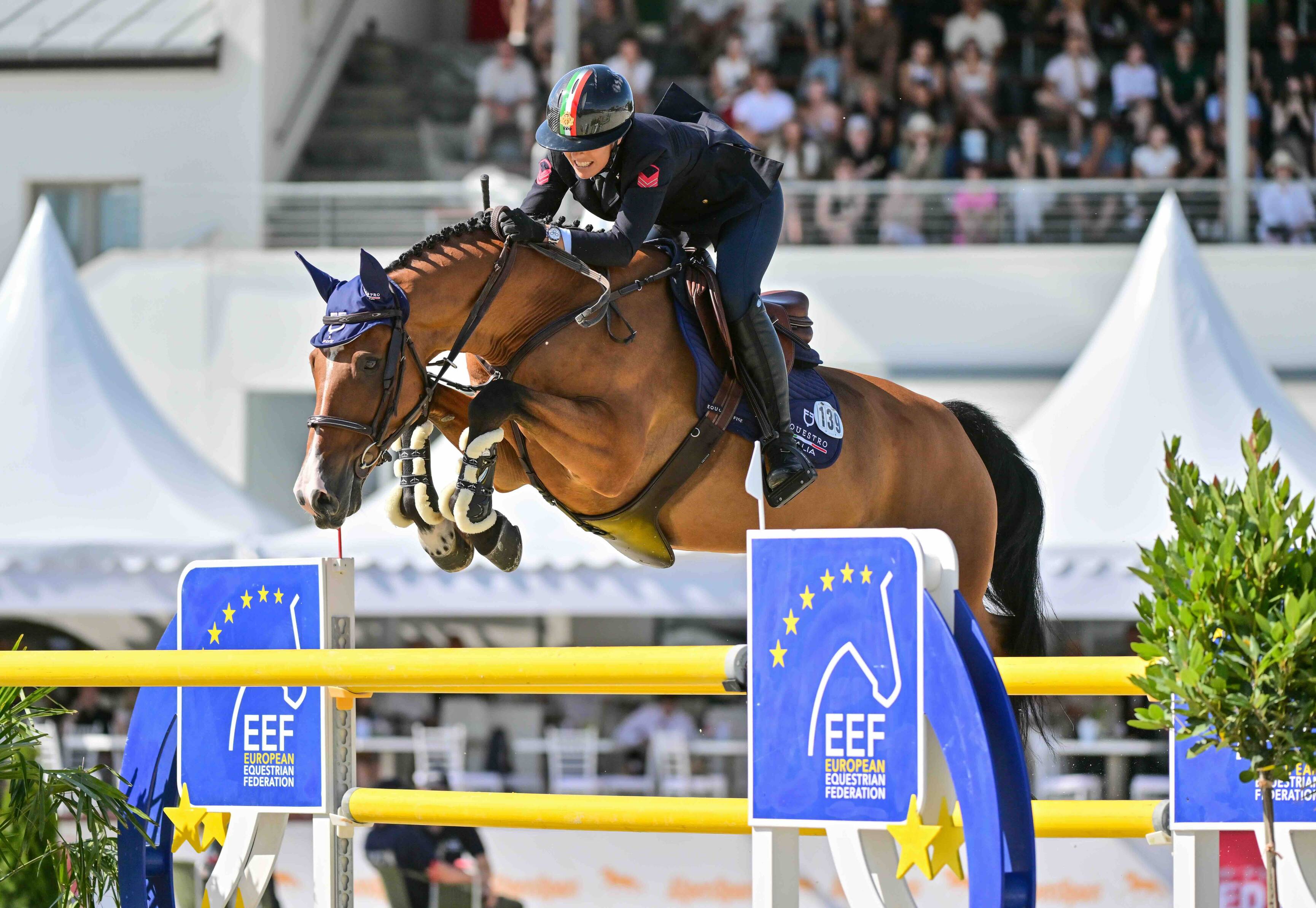
“Jumping the two rounds of a Nations Cup is completely different from a Grand Prix, and they compete at venues where they learn a lot. Thinking about Deauville, Mannheim, Warsaw, and all those shows - they're absolutely perfect for them. The grass shows, like Šamorín, are also perfect,” said Italy’s Giulia Martinengo Marquet.
“I had a horse called Captain Morgan who jumped in the series in Italy, at Gorla. He also jumped in Budapest last year to win.
“He was exactly the kind of horse that needed that step to develop at a higher level without being stressed. He was so successful in that series, and through it I was able to build his confidence and trust in his own abilities.
“He's the perfect example of a horse that probably would never jump in a Nations Cup at Aachen, but he was amazing and incredibly consistent - a real clear-round machine in those Nations Cups.”
Sweden’s chef d’equipe, AnnCatrin Carlsson, believes the technical courses and the two-round format in a range of arenas provide vital practice and development opportunities for young horses.
“The EEF shows are held at excellent venues with really good course builders, so they're a valuable experience for younger horses and riders. The courses promote rhythm, balance, and good riding, and I think that's a really important part of their development,” said AnnCatrin.
“If you make a small mistake in the first round, you have the opportunity to improve in the second round. You also jump the water twice, and these days not every Grand Prix includes a water jump. That gives horses valuable experience with technical lines and water combinations that are similar to what they'll encounter at five-star shows and championships.”
Bo also credits the two-round format with being a useful tool to see whether the horse is ready to progress to the next level.
“You start to see it when a horse is actually stronger in the second round than it was in the first,” said Bo.
“That's when you realise it can perform repeatedly at a high level. If it stays focused and doesn't start making mistakes in the second round, then you begin to see that extra quality needed to become a championship horse.
“There aren't many horses like that, but you do start to notice the signs and think, "This one has the potential. Whether they become a championship horse, you never know, but those are the early signs that make me think they have the ability.”
For Denmark, the Longines EEF Series is an invaluable opportunity to develop horses and riders.
“For countries like ours, and others that aren't in the League of Nations or regularly competing at places like La Baule, Aachen or Rome, the EEF Series is really the only way to build top combinations,” continued Bo.
“It's one of the reasons we've gone from simply making up the numbers at championships to becoming much more competitive. We have good riders, but you need good horse-and-rider combinations to succeed at championships, and this series helps us build those combinations.”
From Sweden’s perspective the Series definitely works.
“Wilma Hellström's horse Cicci BJN came through a lot of three-star EEF competitions as it reached the right level,” said AnnCatrin.
“Amanda Landeblad's For Killy also developed through the series. One year she recorded the most double clear rounds, gaining strength, confidence and experience before the horse became a championship horse.”
Regardless of when or how a horse reaches the Series, the most important thing is to treat that horse as an individual and to allow them to develop in their own time.
“There isn't a fixed rule that says, "Now my horse has to jump a Nations Cup",” said Edwin.
“For me, the EEF Series is a complete development package. It gives younger riders the opportunity to grow into the sport, and naturally they also bring younger horses with them. It's about creating opportunities for the next generation of both riders and horses.
“Even the established five-star riders might have a talented nine-year-old coming through and think, "It would be great if this horse could gain some Nations Cup experience. The EEF Series gives them that opportunity.”
Whether it's introducing young horses to team competition, exposing combinations to new environments or identifying future championship prospects, the Longines EEF Series continues to provide an invaluable bridge between promising talent and the sport's biggest stages.
Where to Watch and Follow
For the latest updates, team announcements, and behind-the-scenes content throughout the 2026 Longines EEF Series, follow the Longines EEF Series website and the European Equestrian Federation. Join the conversation on the Longines EEF Series social media on Instagram and Facebook.
Download the Longines EEF Series press kit here.
Watch the all the live action and replays on ClipMyHorse.TV, the official livestream partner of the Longines EEF Series.
Full results from the regional qualifiers and semi-finals of the Longines EEF Series 2026 season can be viewed here.